Table Of Content
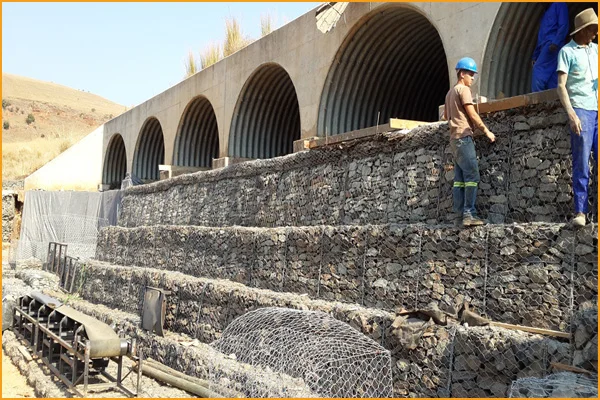
Periodic inspections of the gabion retaining wall should be conducted to identify any signs of damage or structural issues. This includes checking for bulging or leaning sections, loose wire connections, or signs of corrosion. The soil type and embankment of the location are also important considerations, as the weight of the gabion must overcome the push of the ground behind, as well as any foundations (depth and type). This house was designed and built with reduced carbon concrete and minimal plastic, and it achieves a neutral carbon footprint while offering an extraordinary visual. They are rectangular baskets of metallic lattice filled with stones and their origin dates back to war times when they were erected to protect against artillery fire.
Drawbacks of Gabion Walls
Gabion retaining walls are easy to design and build and customize to fit your unique design for your space. Comparatively speaking, they tend to run a lot cheaper than other standard walls or fences and can even be DIY’d with ease—something you could hardly do with a traditional brick and mortar wall. As with all types of retaining in which the stability checks include, overturning, sliding and pressure, the same checks are carried out in the design of gabion walls with minor modifications.
Calculate Quantities of Materials for Concrete -Cement, Sand, Aggregates
An important point to make when building a gabion wall in a cold climate – be sure to use non-porous stones that don’t absorb water and then freeze and crack in the winter. Wood wall materials can be cost-effective, but some types will raise the cost significantly. Not only are they beneficial for the earth, but they’re also aesthetically pleasing and can be great accent pieces for your garden or any other outdoor area in your home. Since mesh openings are generally 75mm square holes, the rocks or infill materials are usually selected to have a nominal diameter of 75 – 200mm.
Find more about green home construction in the EcoHome Green Building Guide pages
The wall was strategically designed to create terraced levels, allowing for the creation of different garden zones. The natural stone-filled cages provided a rustic and organic feel, perfectly complementing the surrounding vegetation. The integration of cascading water features and built-in seating areas added functionality and visual interest to the wall, making it a focal point in the garden. Design plays a vital role in creating visually appealing gabion retaining walls that seamlessly integrate with the surrounding environment. Considerations such as wall height, slope stability, and vegetation integration should be taken into account to achieve a harmonious and functional design. The base width of a gabion gravity retaining wall is directly related to the height of the wall.
Wall Height and Slope Stability
Emergency repairs at Gibraltar Rock - Construction Index
Emergency repairs at Gibraltar Rock.
Posted: Mon, 14 Jun 2021 07:00:00 GMT [source]
They’re also relatively straightforward to build on your own—even if you’re a beginner. Over time, water, settling, or other factors will cause standard brick, stone, or concrete retaining walls to crack. Meanwhile, gabion walls are built without a solid base, instead using flexible wire baskets. This design prevents the wall from cracking and keeps the structure flexible—yet sturdy.
On the other hand, Gabion walls tend to have a very modern, very industrial feel to them. While this isn’t necessarily a bad thing, you have to be sure that’s the kind of look you’re going for. Gabion walls become reinforced as dirt and other organic matter fills the gaps between the cage and the rocks. Gabion walls move with the earth as it shifts, without reducing the protection they give. The design of the drainage system is just as important as the design of the retaining wall.
Gabion walls have easy installation, so even those unskilled in crafting can make, fill, and close the wire baskets. In fact, these retention walls don’t even need a foundation because once they’re filled with rocks, they weigh so much that they anchor themselves down. The hard work really comes into play when filling the baskets with the stones or other material(s) you select. This task will take some time and won’t be easy on your muscles and joints, especially if you’re filling the baskets by hand or with a shovel. Also, keep in mind that if you plan to build a tall gabion wall, it can be more complicated to fill the upper layers of baskets. If you’re building your own gabion wall, be prepared to put in a fair amount of physical labor.

Water Drainage and Erosion Control
Gabion walls offer a variety of benefits that can make them appealing for landscape design, construction, and other uses. While there are benefits to building a gabion wall on your property, there are also a few potential drawbacks to consider before making any final decisions. To determine if this landscaping feature is right for you, read on to learn more about gabion walls. Depending on the wall height, a 2″ to 4″ layer of compacted 1″ road base, crushed from either blue metal or basalt rock is all that is required for most gabion walls. Gabion retaining walls can be designed and configured with a stepped front face or a smooth front face. When utilizing a gabion wall with a smooth front face, the gabion wall should be placed on a 5-6 degree batter and is not recommended for walls above 18’ high.
Rock Filling
When building gabions on softer soils, both the depth of the toe and the size of the base needs to be increased to spread the load over a wider area. An engineer’s design will consider design limit states and specify the dimensions of the toe and base for your wall. Like we mentioned before, though, these walls tend to be very industrial and modern in nature.
Angular rocks are usually the best fill material for gabion walls because they lock together and make a non-moving unit. Ultimately, it’s up to you if you would rather have your gabion retaining wall be more traditional or curved in nature. That being said, if you want to hire someone to do the project, you’ll need to make sure they’re skilled in warping the mesh before agreeing to let them do the job.
Installation is simple and affordable, as even unskilled laborers can install gabion walls. In gravity retaining walls, the geometry of the wall must be such that it prevents any tension been generated within it. Therefore, with respect to pressure, the gabion wall geometry must be checked to ensure that eccentricity of the resultant of the pressure is within the middle third of the base. The labor costs for constructing a gabion retaining wall will depend on the size of the project, the complexity of the design, and the local labor rates.
The term “gabion” comes from the Italian word “gabbione,” meaning “cage.” They make gabion retaining walls out of wire mesh formed into boxes or baskets and then fill them with rock or stone. These retaining walls help prevent erosion and also stabilize any steep slopes you may have. Integrating water features into gabion retaining walls can create a soothing and tranquil ambiance. Waterfalls, cascades, or small fountains can be incorporated into the wall design, adding a sense of movement and serenity.
Obviously, they’re used for outdoor landscaping, but we can utilize them in various ways. Gabion walls are impressive for retention but can also be used as seating walls, accent walls, or decorative walls to add an extra flair to your outdoor area. By integrating native plant species within the wall, you can create habitats for various animals and insects. This enhances the ecological value of the landscape and contributes to the overall health of the ecosystem. Building a gabion wall is relatively simple, especially when compared with the task of building a retaining wall using stone, brick, or concrete.
In commercial projects, gabion walls can be employed for highway and railway stabilization, erosion control in waterways, and noise barrier construction. Integrating gabion retaining walls into sustainable landscaping practices can further enhance their environmental benefits. This includes implementing water-saving irrigation systems, using organic fertilizers, and selecting drought-tolerant plant species. By adopting these practices, you can create a green and sustainable landscape that complements the gabion walls. In this case study, we examine a residential garden that underwent a stunning transformation with the addition of a gabion retaining wall.


No comments:
Post a Comment